
Programme

Keynote Speakers

Invited talks from leading researchers shaping the future of computing. Two keynote addresses open the technical programme on Day 1 and Day 2.

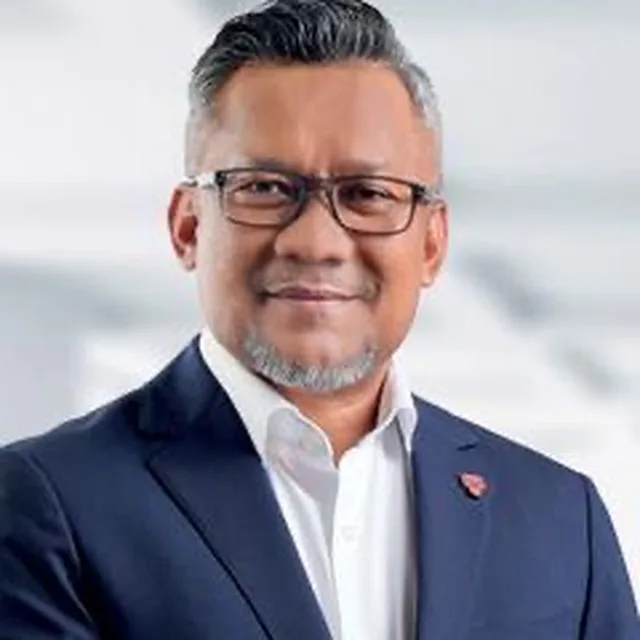
Tuan Haji Azlan Ahmad

Keynote · Day 1 · 12 Oct

Tuan Haji Azlan Ahmad

Chief Digital & Information Officer, Tenaga Nasional Berhad

From Digital Utility to Intelligent Enterprise

Navigating the Convergence of Energy, Data & AI

Abstract

The convergence of energy, data and artificial intelligence is reshaping how utilities manage complexity, respond to changing customer expectations and support the energy transition. As energy systems become more interconnected, the ability to anticipate disruptions and translate operational data into timely decisions becomes increasingly important to reliable electricity supply.

TNB’s journey from a digital utility towards an intelligent enterprise illustrates how sustained investment in integrated systems, connected assets and trusted data creates the foundations for AI adoption. Applications in predictive maintenance, network mapping and plant optimisation demonstrate opportunities to improve operations, while value management connects technology investment to measurable business outcomes. Extending these capabilities beyond individual pilots requires reusable platforms, workforce readiness and responsible governance, with cybersecurity and human accountability embedded throughout deployment and operation.

Emerging capabilities such as agentic AI and more autonomous operations offer further opportunities to strengthen decision-making, supported by appropriate safeguards and human oversight. The ultimate ambition is an intelligent enterprise that continuously learns and adapts while delivering reliable energy services and sustainable value for society.

About the speaker

Tuan Haji Azlan Ahmad is the Chief Digital & Information Officer of Tenaga Nasional Berhad (TNB), where he spearheads the organisation's technology and digital innovation agenda in advancing Malaysia's energy future. With 32 years of distinguished service at TNB, he has played a pivotal role in driving innovation, modernising operations, and leveraging artificial intelligence and emerging technologies to create sustainable value. Recognised for his visionary leadership, he continues to champion a resilient, future-ready utility ecosystem that supports Malaysia's Energy Transition aspirations.
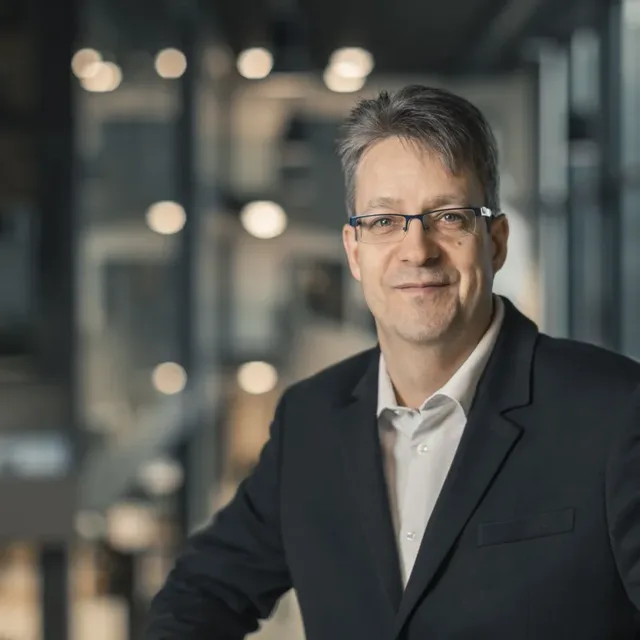
Prof. Dr. Jari Porras

Keynote · Day 2 · 13 Oct

Prof. Dr. Jari Porras

LUT University, Finland

Beyond More: Designing Computing for a Sustainable Future

Abstract

The conventional trajectory of computing has largely been defined by more: more processing power, more data, more connectivity, more automation, and more digital services. AI accelerates this trajectory even further. At the same time, computing depends on energy, materials, infrastructure, data centers, and global supply chains, while digital technologies increasingly influence social structures, work, privacy, and human behavior. The future challenge, then, is not simply to make computing more efficient. We need to ask whether we are designing the right digital systems in the first place.

This keynote explores a shift from technology-centered computing to purpose-driven and sustainability-oriented computing. It argues that sustainability must become a design consideration across the entire computing lifecycle — from designing algorithms, software, and hardware to data infrastructures, user experiences, organizational practices, and societal deployment.

About the speaker

Prof. Dr. Jari Porras is a software engineering professor at LUT University whose research career has evolved from early work in distributed and mobile computing, communications and networking, and pervasive computing to a strong focus over the past decade on sustainable ICT and sustainable software engineering. Building on decades of research into digital technologies, resource efficiency, and software-intensive systems, his work has evolved toward a broader question: how should computing be designed to create sustainable value for people, organizations, and society?

His research connects technical innovation with environmental, economic, technical, social, and human sustainability, emphasizing that sustainability must be considered throughout the computing lifecycle — from algorithms, software, and hardware to data infrastructures, user experiences, organizational practices, and societal deployment. In his keynote, he draws on this research trajectory to challenge the conventional pursuit of more computing and explore a shift toward purpose-driven, sustainability-oriented computing: not simply making computing more efficient but designing the right digital systems for a sustainable future.